
Views: 0 Author: Site Editor Publish Time: 2025-12-23 Origin: Site


When it comes to protecting your vehicle’s interior, choosing the right floor mat is crucial. Two of the most popular materials used in automotive floor mats are TPE (Thermoplastic Elastomer) and TPR (Thermoplastic Rubber). Both materials offer unique benefits, but how do you decide which one is better for your needs? This article will compare TPE and TPR mats, highlighting the key differences in their material properties, performance, durability, and suitability for different types of vehicles. By the end of this article, you’ll have a clear understanding of which floor mat material is the best fit for your car, and why Guangzhou Shanpai Automotive Accessories Co., Ltd. is the perfect supplier for your TPE floor mat needs.
TPE (Thermoplastic Elastomer) is a versatile material that combines the characteristics of rubber and plastic. It is highly flexible, durable, and resistant to various environmental factors such as UV rays and extreme temperatures. TPE is known for its ability to be molded into different shapes and sizes, making it ideal for custom-fit applications like automotive floor mats.
TPR (Thermoplastic Rubber) is another material that shares similar properties to rubber but is easier to process due to its thermoplastic nature. TPR is generally stiffer than TPE, which gives it a more rigid structure. It is also known for its excellent resistance to wear and tear but can sometimes lack the same level of flexibility that TPE offers.
One of the main differences between TPE and TPR is their flexibility. TPE floor mats are highly flexible, allowing them to contour to the shape of your car’s floor. This results in a more snug, custom-like fit that provides better protection against spills and dirt. The flexibility of TPE also enhances comfort, as it creates a softer, more pleasant surface underfoot.
On the other hand, TPR floor mats are generally stiffer, which may offer more structural support but can feel less comfortable underfoot. While TPR is still durable and protective, its rigid nature means it doesn't mold as easily to the contours of your vehicle, which could lead to slightly less protection in certain areas.
Both TPE and TPR are widely used in the automotive industry, but their applications vary slightly. TPE mats are commonly used for high-end, premium floor mats due to their flexibility and custom fit. They are perfect for vehicles that require a more tailored solution, offering a better fit and enhanced comfort.
TPR mats, on the other hand, are typically used in vehicles where durability is the main priority. They are often found in commercial vehicles, trucks, and older model cars that prioritize long-term protection over comfort. While TPR mats still offer excellent resistance to wear and tear, they may not provide the same level of comfort or precise fit as TPE mats.
The flexibility of TPE floor mats makes them an excellent choice for those who prioritize comfort and fit. TPE mats can easily mold to the exact shape of your vehicle’s floor, ensuring that no gaps are left uncovered. This results in a more comfortable experience for the driver and passengers, as the mats create a smooth, cushioned surface underfoot. Additionally, the flexibility of TPE mats helps improve the grip, as they stay securely in place without shifting, even during rough rides or sudden stops.
While TPR floor mats are stiffer, they excel in their durability and resistance to heavy impacts. The rigidity of TPR provides a high level of protection for your vehicle’s floor, making it an excellent choice for vehicles that experience heavy foot traffic or frequent use. The material’s stiffness helps the mats maintain their shape over time, preventing sagging or wrinkling, which can occur with more flexible mats.
When it comes to everyday driving, TPE floor mats offer a more comfortable and secure driving experience due to their superior fit and flexibility. However, TPR mats are still a great option if you need a mat that can withstand harsh conditions and heavy usage. While TPE provides a better overall driving experience, TPR is a durable option that excels in demanding environments.
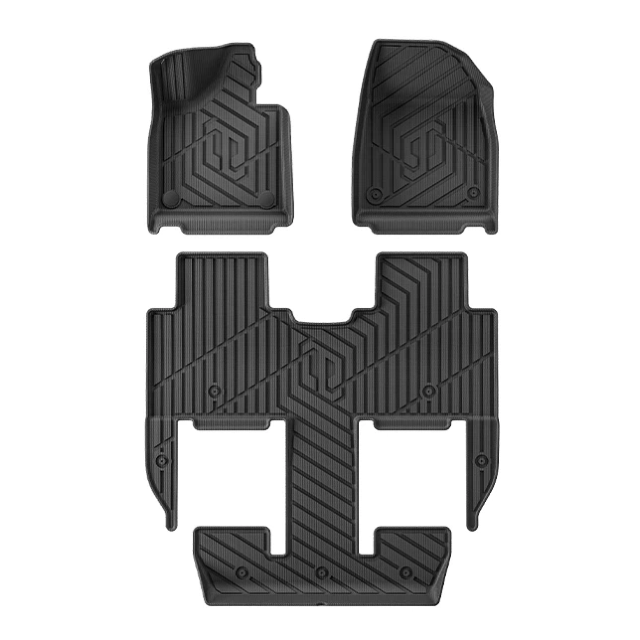
One of the standout features of TPE floor mats is their ability to perform well in extreme temperatures. Whether it’s a scorching summer day or a freezing winter morning, TPE mats retain their flexibility and shape. The material doesn’t crack or become brittle under cold conditions, and it doesn’t warp or melt under high heat. This makes TPE mats ideal for drivers in regions that experience a wide range of temperatures throughout the year.
TPR floor mats, while durable, may have limitations when exposed to extreme temperatures. In colder climates, TPR mats may become stiffer and more rigid, reducing their overall comfort. Similarly, in extremely hot conditions, TPR mats may start to soften or lose their shape. While TPR still offers good durability, it may not perform as consistently as TPE in varying climates.
Both TPE and TPR mats are designed to withstand daily wear and tear. However, TPE floor mats have the edge when it comes to maintaining their appearance and performance over time. The material is resistant to cracking, discoloration, and deformation, ensuring that it looks great and functions effectively for years. TPR mats, while durable, may show signs of wear faster, especially when exposed to extreme conditions.
TPE floor mats are designed for a custom fit, which is a significant advantage for vehicle owners looking for mats that perfectly match the contours of their car. The material’s flexibility allows it to adapt to your vehicle’s floor, ensuring maximum coverage and protection. Whether you drive a sedan, SUV, or truck, TPE mats provide a seamless, tailored fit that enhances both aesthetics and functionality.
TPR floor mats are typically used in commercial vehicles or older cars where a perfect fit is less of a concern. While TPR mats offer solid protection, they are generally less customizable and might not fit as snugly as TPE mats. However, they are still an excellent choice for vehicles that experience heavy-duty use and need durable, reliable floor mats.
When deciding between TPE and TPR floor mats, consider your driving habits and vehicle needs. For daily commuters or families, TPE mats are ideal due to their comfort, non-slip properties, and perfect fit. They are especially suitable for those who want a high level of customization and protection without sacrificing comfort.
For outdoor enthusiasts or those who use their vehicles for commercial purposes, TPR mats may be the better option. Their durability and resistance to wear and tear make them suitable for vehicles that experience heavy use, such as trucks, work vans, or off-road vehicles.
In conclusion, both TPE floor mats and TPR floor mats have their strengths and weaknesses, but TPE stands out as the better overall option for most drivers. TPE mats offer superior comfort, flexibility, and weather resistance, making them a perfect choice for daily commuters and families. However, TPR mats still hold value for those seeking durability in heavy-use environments. No matter which option you choose, Guangzhou Shanpai Automotive Accessories Co., Ltd. is your trusted supplier for high-quality TPE mats that meet your specific needs. For more information or to make a purchase, feel free to contact us today!
1. What is the difference between TPE and TPR floor mats?
TPE mats are more flexible, customizable, and comfortable, while TPR mats are stiffer and offer superior durability for heavy-duty use.
2. Can TPE floor mats withstand extreme temperatures?
Yes, TPE floor mats maintain their shape and flexibility even in extreme cold and hot temperatures, making them ideal for various climates.
3. Are TPR floor mats durable?
TPR floor mats are highly durable, but they may become stiff in cold weather and lose their shape in extreme heat, unlike TPE mats, which perform well in all temperatures.
4. Which floor mat material is best for my vehicle?
If you want a custom fit, comfort, and all-weather protection, TPE floor mats are the best option. However, if you need a more rigid, long-lasting mat for heavy-duty use, TPR mats may be a better choice.
