
Views: 0 Author: Site Editor Publish Time: 2026-06-27 Origin: Site


Cargo area degradation happens faster than most drivers expect. Spilled liquids, embedded pet hair, and heavy equipment quickly damage factory carpeting. This daily wear and tear directly lowers your vehicle resale value. Standard reversible mats and generic rubber liners usually fail to provide adequate protection. They often suffer from poor fitment, off-gassing odors, or inadequate spill containment. Liquids easily leak past flat edges. This causes hidden mold to grow beneath your floorboards. Thermoplastic Elastomer (TPE) solves these exact problems effectively. It stands as the industry benchmark for durability and precision engineering. We will provide a clear framework for evaluating different cargo protection options. You will understand how specific material properties directly prevent interior damage. We will guide you through edge designs and texture patterns. Read on to discover the exact specifications you need to preserve your vehicle.
Material Superiority: TPE offers a unique balance of rigid structural integrity (for spill containment) and flexible shock absorption, outperforming traditional PVC or vulcanized rubber.
Fitment is Non-Negotiable: The highest-performing rear trunk mats rely on 3D laser-scanned data for edge-to-edge coverage, eliminating slip hazards.
Task-Specific Selection: The "best" mat depends on primary usage—evaluate based on lip height, surface texture (anti-slip properties), and extended coverage options (e.g., folded rear seat protection).
Permanent carpet stains ruin interior aesthetics instantly. Physical tears in the cargo area lower trade-in appraisals significantly. Dealership evaluators inspect trunk conditions carefully. They deduct value for embedded pet hair and chemical spills. A precise-fit liner acts as a direct financial safeguard. It preserves the underlying carpet perfectly.
Liquid moves unpredictably during vehicle operation. A simple coffee spill spreads rapidly across flat fabric. Factory carpet fibers absorb moisture instantly. This absorption traps bacteria deep within the sub-floor insulation. Professional detailers struggle to remove these entrenched stains. A protective barrier blocks fluid penetration completely. Your interior remains pristine beneath the shield.
Modern engineering favors advanced elastomers over traditional vulcanized rubber. Standard rubber presents numerous logistical challenges. Buyers often regret choosing outdated materials.
Weight and Handling: TPE is significantly lighter. You can remove it easily for routine washing. You avoid spilling trapped dirt during the extraction process.
Temperature Resilience: Climate extremes destroy generic liners. TPE will not crack in sub-zero temperatures. It never becomes excessively sticky in extreme summer heat.
Odor and Toxicity: Low-grade rubber emits strong chemical odors. These VOCs create an unpleasant cabin environment. Thermoplastic materials remain completely odorless and non-toxic.
Below is a comparison chart showing material differences:
Feature | TPE Materials | Traditional Rubber | Factory Carpets |
|---|---|---|---|
Weight | Lightweight and manageable | Heavy and cumbersome | Integrated into vehicle |
Temperature Resilience | Remains flexible in extreme cold | Can crack or become sticky | Absorbs moisture |
Odor Level | Odorless and non-toxic | Strong VOC off-gassing | Traps unpleasant smells |
Spill Containment | Rigid lips trap high volumes | Flat edges allow leakage | Zero containment |
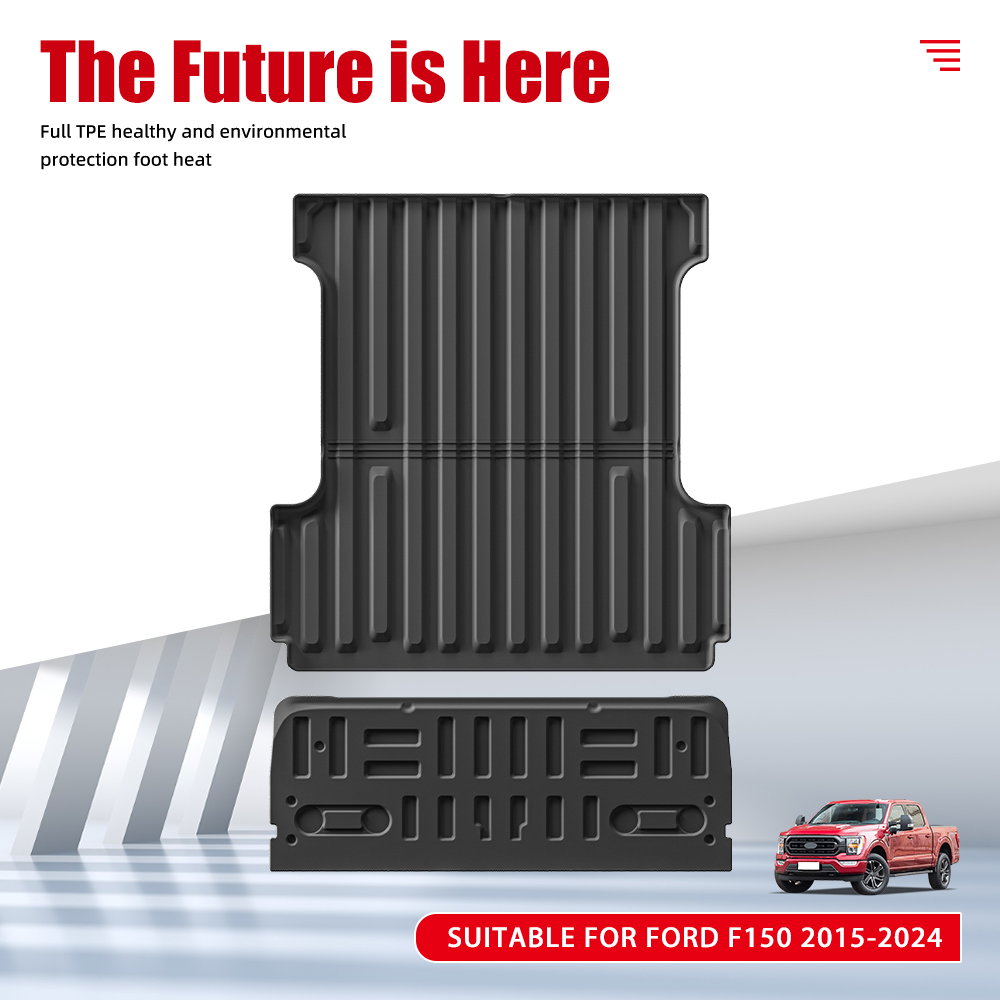
You need a decision-stage framework to separate premium products from generic alternatives. Advanced protection requires specific engineering standards. Pay close attention to these structural elements.
Generic universal liners fail consistently. Manufacturers cut them to approximate sizes. Gaps always remain around the perimeter. These gaps allow liquids to seep directly into the sub-floor. Moisture trapped beneath the surface accelerates rust and mold growth. You should demand rigorous manufacturing precision.
A premium option utilizes 3D laser-scanned data. It must seamlessly follow the complex contours around wheel wells. It should accommodate tie-down hooks precisely. Edge-to-edge coverage acts as a fundamental defense layer. It eliminates dangerous slip hazards entirely. Your gear remains stable during sudden stops.
Flat barriers do not stop liquid emergencies. A spilled gallon of milk requires high-volume containment. You must assess the lip height carefully before purchasing. Premium liners feature containment lips measuring one to two inches high.
A true waterproof trunk mat functions as a rigid tray. It holds fluid completely away from the underlying fabric. Flexible edges allow you to extract the liner safely. You can pour the trapped liquid outside the vehicle easily. This raised perimeter defines the boundary between generic and premium protection.
Surface pattern determines functional success. Flat surfaces allow heavy cargo to slide dangerously. Deeply engineered channels serve a critical dual purpose. First, they trap heavy mud and melting snow effectively. Second, they channel fluids away from your fragile cargo boxes.
Evaluate the specific surface friction. A heavily textured non-slip rear cargo mat secures your items effectively. High-friction patterns grab onto plastic bins and pet crates. Heavy items stay stationary during aggressive cornering. This prevents internal items from scuffing against interior plastic panels.
Many buyers incorrectly prioritize thick rubber over precise fitment. Thick rubber feels highly durable initially. However, poor edge designs allow fluids to escape underneath. Another frequent error involves ignoring the surface texture. Smooth plastics allow fragile cargo to smash against side panels. Always verify the physical engineering behind the friction pattern.
Different lifestyles require completely different protection strategies. Evaluate your primary daily usage closely. Choose a configuration tailored strictly to your reality.
Daily Commuting & Groceries: Your primary concern involves keeping items stationary. Produce and shopping bags slide easily on bare carpet. Focus your selection on moderate lip heights. Prioritize maximum surface friction. This specific design keeps loose items secure during city driving.
Pets & Outdoor Recreation (Mud/Snow): Active lifestyles demand extreme fluid containment. Wet dogs and muddy boots destroy factory fabric fast. Prioritize maximum lip heights for complete coverage. Look for deep fluid-trapping channels. Ease of pressure-washing becomes a critical factor here. You need a dedicated rear trunk mat to handle heavy soils.
Heavy Hauling & Extended Cargo: Transporting lumber or large furniture creates unique challenges. SUV owners frequently encounter the split-seat dilemma. Folding the rear seats exposes unprotected backing material. Standard liners leave this vulnerable area completely bare. Look for extended modular designs. These custom solutions cover the back of the rear seats perfectly.
Contractors carry heavy tools daily. Metal toolboxes scratch unprotected plastic trims easily. An extended liner absorbs these sudden impacts effectively. It also dampens noise during highway travel. Passengers experience a much quieter cabin environment.
Owning premium automotive accessories requires proper handling. Understanding basic material properties prevents unnecessary frustration. Proper maintenance ensures decades of reliable performance.
New buyers often face a slight unboxing curve. Manufacturers ship large items folded inside compact boxes. You might notice the edges curling upon arrival. This temporary deformation is entirely normal. Thermoplastic Elastomer possesses excellent shape memory.
Sunlight exposure provides the simplest fix. Lay the liner flat on a warm driveway. The material relaxes and flattens within a few hours. Alternatively, apply gentle heat using a standard hair dryer. The raised lips will snap back into their engineered positions.
Routine cleaning requires minimal effort. Wipe down the surface using a simple damp cloth. Dust and minor spills vanish instantly. Deep cleaning protocols handle more severe messes smoothly. Extract the liner carefully and use a standard pressure washer. Apply mild automotive detergents safely.
However, you must avoid harsh silicone-based detailing sprays. Silicone ruins the engineered friction surface immediately. It creates a dangerous sliding hazard for your cargo. Always rely on an authentic TPE trunk mat for its natural chemical resistance.
You must also consider sub-trunk access realistically. Many modern vehicles feature under-floor spare tires. Some include hidden storage compartments. Rigid materials offer superior top-layer protection. However, they slightly impede rapid access to these lower sections.
You simply lift the entire panel to reach hidden compartments. This represents a necessary functional trade-off. Seamless surface protection heavily outweighs minor access inconveniences.
Perform a rapid visual inspection every month. Remove accumulated grit from the deep channels quickly. Abrasive sand can wear down the friction pattern over several years. Wash the surface thoroughly after transporting garden soil or corrosive fertilizers. Proper maintenance guarantees maximum lifespan and pristine interior conditions.
Selecting the final product demands strict attention to detail. Do not base your decision purely on marketing claims. Use objective metrics to finalize your choice.
Dealership OEM accessories frequently lack advanced material engineering. These branded add-ons often feature generic flat patterns. Dedicated aftermarket specialists provide far better utility. They focus entirely on custom-fit scanning and precision molding. Compare their technical specifications directly against dealership offerings.
Material certifications prove environmental safety and product quality. Authentic materials undergo rigorous international testing. Look for documented SGS test results. Verify standard RoHS compliance before buying.
These certifications guarantee a 100% recyclable product. They ensure the plastic contains zero heavy metals. They also confirm a completely latex-free composition. This protects passengers who suffer from severe latex allergies.
Warranty coverage reveals overall manufacturer confidence. Premium brands offer substantial lifetime warranties. They guarantee the product against cracking or curling under normal use. Avoid products offering only brief trial periods. A short warranty indicates inferior vulcanized rubber blends.
Take precise measurements before confirming your purchase. Verify your exact vehicle make, model, and year. Double-check your specific floor configuration.
Hybrid battery placements often alter rear cargo dimensions. Plug-in hybrids frequently feature slightly raised floorboards. Matching these specific details guarantees perfect edge-to-edge coverage. Never assume a gas-model liner fits a hybrid variant identically.
Choosing the ideal cargo protection requires practical evaluation. You must ignore flashy brand hype. Focus directly on advanced material engineering instead. Precision fitment and raised edges solve daily transportation challenges effectively. Anti-slip textures keep your belongings completely secure.
We strongly recommend investing in 3D-scanned accessories. A custom-fit design dramatically outperforms universal alternatives. Trimming a flat rubber sheet creates permanent vulnerabilities. High-grade materials preserve your interior condition flawlessly. They safeguard your long-term trade-in value.
Take action to protect your vehicle today. Check the exact fitment options available for your specific model. Confirm your hybrid or standard floor layout carefully. Secure a dedicated liner to guarantee permanent, worry-free coverage.
A: Thermoplastic Elastomer weighs significantly less than traditional vulcanized rubber. It retains structural shape flawlessly. Standard rubber emits strong chemical odors. Premium elastomers remain completely odorless and non-toxic. They also resist extreme temperature changes. Rubber often cracks in sub-zero weather and becomes excessively sticky during summer heat.
A: No, it usually requires a brief adjustment period. Manufacturers fold these large items for shipping efficiency. This creates temporary creases or curled edges. Lay the item in direct sunlight for a few hours. The material memory activates and flattens naturally. A hair dryer also speeds up this flattening process safely.
A: Remove the item from your vehicle first. Use a standard pressure washer or garden hose. Apply mild dish detergent to remove stubborn mud. Scrub gently using a soft-bristle brush. Rinse thoroughly and air dry. Never apply silicone-based tire dressings or interior detailers. These chemicals destroy the friction surface permanently.
A: Standard floor designs only protect the primary flat section. They do not extend forward. However, specific extended configurations exist for SUVs. These modular liners feature split-seat protection. They attach directly to the seatbacks. They unfold seamlessly when you drop the seats for oversized hauling tasks.


