
Views: 0 Author: Site Editor Publish Time: 2026-06-30 Origin: Site


When you buy a new SUV, the factory carpet looks pristine. You might look at aftermarket cargo liners and think they are just an unnecessary upsell. Buyers often feel skeptical about covering up brand-new upholstery. However, this purchase is strictly about utility and vehicle preservation. It is not just an aesthetic accessory. Unprotected cargo areas take heavy abuse from wet groceries, active pets, and rugged outdoor gear. A reliable rear trunk mat actively prevents permanent upholstery damage. It acts as a primary defense against destructive spills and daily friction. This protection directly reduces recurring detailing expenses over the life of your vehicle. You also maintain a much stronger resale value when the original carpet remains untouched. In this guide, we will explore the hidden expenses of unprotected cargo spaces. You will learn how to evaluate different liner materials. We will also show you exactly how to choose the right fit for your specific cabin layout.
Unprotected cargo areas are highly susceptible to liquid damage, pet wear, and friction, which directly impacts vehicle resale value.
A waterproof rear trunk mat acts as a containment barrier, mitigating deep-cleaning costs and preventing mold in sub-floor compartments.
Custom-fit TPE (Thermoplastic Elastomer) liners offer superior ROI compared to universal trim-to-fit options due to edge-to-edge coverage and raised lips.
Evaluating factors like third-row seating compatibility, cargo tie-down access, and material toxicity is critical before purchasing.
Dealership appraisers and private buyers scrutinize the cargo area closely. They view it as a primary indicator of how well a vehicle was maintained. Stained, torn, or frayed rear carpets immediately signal heavy usage. Evaluators routinely deduct significant value for these visible defects. Beyond visual damage, olfactory memory plays a major role in vehicle valuations. Odor-retaining carpets absorb spilled milk, pet accidents, and damp athletic gear. These smells embed themselves deep into the fibrous layers of the factory floor. Buyers walk away entirely when a cabin smells sour or moldy. Protecting the original upholstery guarantees a faster sale and a stronger negotiation position when you decide to upgrade your vehicle.
Many owners underestimate the recurring burden of professional interior cleaning. Spills, embedded pet hair, and heavy mud require specialized hot-water extraction. You cannot simply vacuum away ground-in sand or sticky residue. Professional detailers charge premium rates for deep carpet shampooing and enzyme odor treatments. You face these recurring fees multiple times a year if you actively use your SUV. Compare this compounding financial drain against the one-time purchase of a specialized liner. A robust mat eliminates the need for professional extraction entirely. You simply remove the protective layer, rinse it off in your driveway, and reinstall it within minutes.
Factory carpets are permeable. They do not stop liquids from seeping downward into the structural recesses of your vehicle. Modern SUVs house vital components beneath the cargo floor board. Liquids routinely bypass the factory floorboard and pool in spare tire compartments. Left unchecked, this stagnant water accelerates metal rust and feeds aggressive mold growth. The risk escalates dramatically for electric vehicles (EVs) and modern hybrids. These vehicles often store auxiliary batteries, complex wiring harnesses, or fuse boxes beneath the rear cargo area or front frunks. A spilled gallon of water or a leaky cooler can cause catastrophic electrical hazards. A specialized barrier stops fluid migration before it reaches these sensitive sub-floor zones.
Universal mats dominate big-box auto parts stores. They offer a fast, highly accessible solution for sudden needs. However, buyers must understand the inherent compromises of a generic product.
Pros: They feature a low barrier to entry. You can buy them instantly off the shelf. They work well for short-term fixes or temporary cargo hauling.
Cons: They lack raised containment lips. Fluids roll right off the edge onto your factory carpet. They also suffer from severe shifting under heavy loads. You must manually cut them to shape, which frequently leaves awkward gaps in coverage around wheel wells.
Custom liners represent the modern standard for vehicle interior protection. Manufacturers utilize advanced 3D laser-scanning technology to map every millimeter of a specific vehicle model's cargo area.
Pros: They deliver exact molding to wheel wells and side panels. They feature edge-to-edge spill containment. They integrate flawlessly with factory floor contours, preventing any movement during transit.
Cons: They require a higher upfront investment. You cannot transfer them to a different vehicle model later. They are strictly specific to a vehicle's make, model, and production year.
A tailored fit matters intensely for specific cabin layouts. Vehicle manufacturers design unique rear seat configurations, ventilation channels, and floor slopes. Generic mats fail to account for these engineering nuances. For example, a dedicated Toyota RAV4 trunk mat accounts for the specific slope of the rear seats when folded down. Generic mats simply slide down this incline, exposing the upper carpet to damage. Custom profiles also leave hybrid battery ventilation grilles unobstructed. Blocking these vents with a poorly fitted universal mat can cause severe battery overheating. Tailored geometry guarantees that your cargo protection works in harmony with your vehicle's structural quirks.
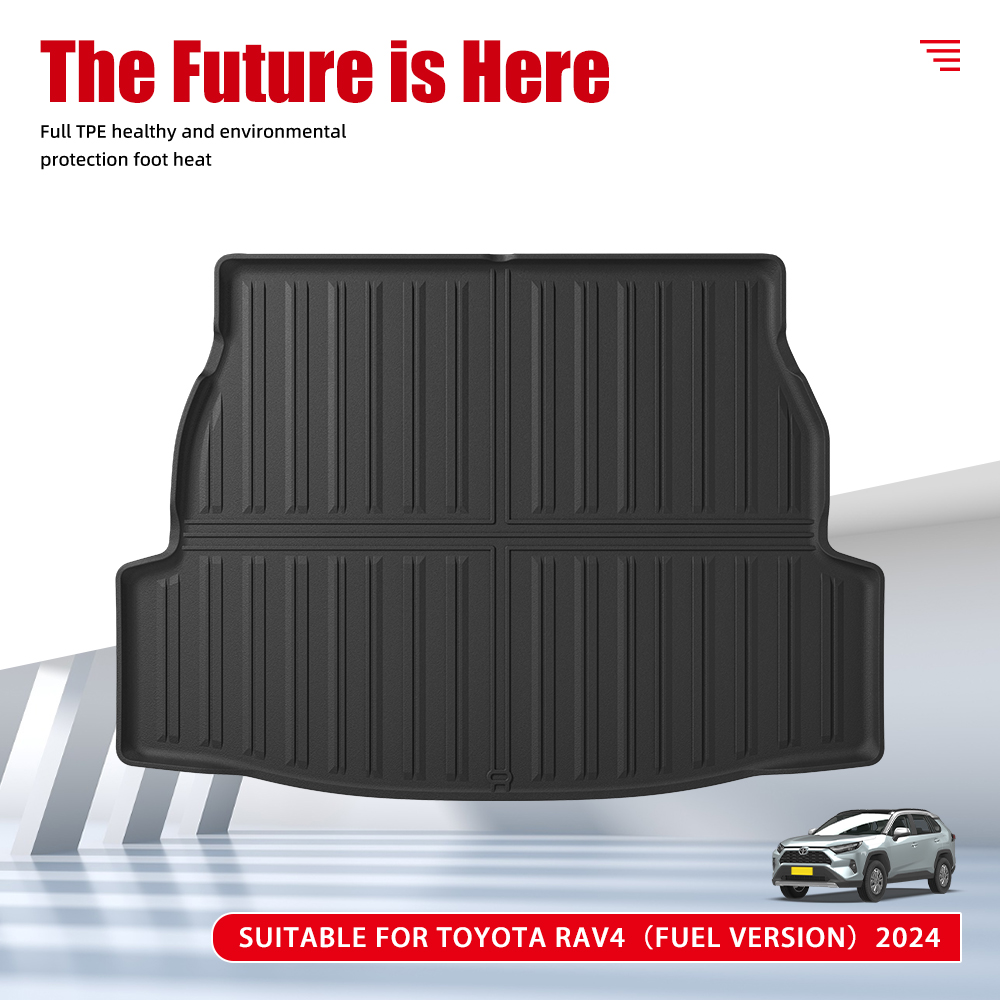
The chemical composition of your cargo liner dictates its durability and safety. Buyers frequently confuse traditional rubber, PVC, and modern TPE materials. Understanding these differences ensures you select a safe, long-lasting product. Thermoplastic Elastomer (TPE) stands out as the superior choice.
Material Type | Temperature Resistance | Toxicity & Odor | Durability |
|---|---|---|---|
TPE (Thermoplastic Elastomer) | Excellent. Will not crack in freezing winters or warp in summer heat. | Odorless and non-toxic. Zero off-gassing in enclosed cabins. | High resistance to tears, scuffs, and chemical spills. |
Traditional Rubber | Good, but becomes overly heavy and rigid in extreme cold. | Emits a strong, persistent rubber smell, especially when heated. | Prone to surface degradation over long periods of time. |
PVC (Polyvinyl Chloride) | Poor. Brittles in winter and softens dangerously in summer. | Releases toxic VOCs (Volatile Organic Compounds) in hot vehicles. | Low. Tears easily under the weight of sharp cargo. |
You should actively prioritize TPE when selecting a waterproof rear trunk mat. It perfectly balances rigidity and flexibility while maintaining a safe breathing environment for your family and pets.
A flat mat only protects against dry dirt. Real-world spills require architectural containment. Discussing containment architecture means looking closely at the perimeter of the liner. High-quality custom mats utilize a raised perimeter lip. This continuous edge usually measures between one and two inches high. This vertical wall traps melting snow from winter boots, thick mud from camping gear, and catastrophic grocery spills. When a milk jug bursts in transit, the fluid dynamically shifts as you corner and brake. A flat mat allows that fluid to splash over the sides. A raised lip holds gallons of liquid securely until you can safely pull over and extract the mat.
Smooth surfaces create dangerous driving conditions. Hard braking turns heavy cargo into dangerous projectiles. Coolers, metal toolboxes, and rigid pet crates slide violently across flat plastic. Premium liners utilize advanced anti-slip surface engineering. They feature deeply textured channeling, aggressive tread patterns, and strategically placed traction grooves. These textures interlock with the base of your cargo. They utilize friction to prevent lateral shifting. This stability protects your vehicle's interior side panels from denting. It also protects your pets from losing their footing during sharp turns.
Three-row SUVs and minivans introduce complex seating challenges. You frequently fold seats up and down to balance passenger needs and cargo space. A rigid, one-piece block of plastic restricts this functionality. Premium designs accommodate split-folding mechanisms perfectly. For instance, a dedicated Honda Odyssey trunk mat features articulated seams or segmented sections. These thoughtful additions allow you to deploy the third row without removing the entire liner. They integrate seamlessly with 60/40 or 40/20/40 seat splits. You maintain total cabin flexibility while keeping the exposed floorboards completely protected.
Buyers often panic when they unbox a new custom liner. Manufacturers ship these large items rolled up tightly in compact boxes. When first unrolled, the mat will look warped. The edges might curl inward, and it will not lay perfectly flat on the cargo floor. This is a normal part of the implementation process. High-density materials require an acclimation period. You must allow the material to relax and regain its molded shape. Unroll the product and lay it upside down in direct sunlight for a few hours. The ambient heat softens the elastomers. Once warmed, it will drop into your vehicle and mold perfectly to the cargo floor contours.
Automakers install D-rings, cargo net anchors, and tie-down hooks throughout the rear cabin. Heavy-duty custom liners purposefully cover these access points to maintain a 100% waterproof barrier. If a manufacturer cut holes for every D-ring, spilled liquids would immediately drain through those holes into the factory carpet. If you rely on these anchors to secure heavy loads, you must make a slight modification. Premium mats feature pre-scored indicator rings molded into the material. You simply take a sharp utility knife and carefully cut along these raised templates. This exposes the factory hardware while keeping the rest of the floor protected.
High-quality TPE mats feature significant rigidity. This structural strength provides excellent spill containment, but it introduces slight friction when you need to access under-floor storage. If you frequently open the sub-trunk to grab hidden charging cables, emergency kits, or the spare tire, you will notice the difference. You cannot simply peel back a flimsy piece of carpet anymore. You must lift the rigid structure of the mat. Some owners find this added weight and stiffness mildly inconvenient. However, most drivers accept this minor friction as a necessary trade-off for impenetrable floor protection.
Start your buying journey by categorizing your specific lifestyle needs. Pinpoint exactly how you intend to use the rear cabin.
Daily Family Hauling: Focus on easy-to-clean TPE materials. Groceries, strollers, and spilled drinks require frequent wipe-downs.
Aggressive Outdoor Recreation: Look for the highest containment lips available. You need maximum fluid trapping for snowboards, muddy hiking boots, and wet fishing gear.
Pet Transport: Prioritize deep anti-slip texturing. Dogs need strong traction to feel secure during transit. Avoid slick plastic surfaces entirely.
Your timeline dictates your spending strategy. Evaluate how long you plan to keep the current SUV. If you purchased the vehicle and plan to drive it for three or more years, invest immediately in a custom laser-measured TPE liner. The upfront cost pays for itself by eliminating detailing fees and preserving resale value. If you hold a short-term lease for only 12 to 18 months, your priorities shift. You might consider cheaper, universal alternatives. A temporary generic mat still intercepts basic dirt and prevents lease-return penalties without demanding a heavy initial investment.
Never rush the checkout process. Custom mats demand exact vehicle data. Grab your vehicle registration and verify your exact production year, specific trim level, and seating configuration. Automakers frequently change floor pans between generations. Furthermore, hybrid models and gas models of the identical vehicle often feature entirely different cargo dimensions. A battery pack placed under the floor raises the deck height, altering the required mat geometry. Double-check these technical specifications against the manufacturer's fitment guide before confirming your order.
Equipping your SUV with a specialized cargo liner serves as an active defense mechanism for your interior. You secure the underlying factory carpet against daily friction, aggressive fluid spills, and permanent pet odors. The initial purchase operates as a highly calculated offset against future depreciation and frustrating maintenance headaches. By choosing premium materials like TPE and ensuring a laser-measured fit, you eliminate the safety hazards of shifting cargo. Evaluate your cabin configuration carefully, verify your exact trim level, and install a custom barrier to keep your vehicle functioning flawlessly for years to come.
A: It depends entirely on the material. Cheap PVC or traditional rubber mats experience off-gassing, emitting a strong, toxic odor when cabin temperatures spike in the summer. High-quality TPE (Thermoplastic Elastomer) liners remain completely odorless. They do not release VOCs, ensuring your cabin stays fresh even parked in direct sunlight.
A: The process is fast and straightforward. Remove the liner carefully to prevent spilling trapped debris. Shake it out, then power wash or hose down the surface. Use a mild dish soap and a soft brush for sticky residue. Rinse thoroughly and let it air dry completely before reinstalling.
A: Custom-fit liners will not slide. They utilize exact 3D-scanned dimensions to wedge securely against the vehicle's side panels and seat backs. Additionally, premium mats feature textured anti-slip backing nibs that grip the underlying factory carpet, utilizing friction to eliminate all lateral movement.
A: Yes. Custom cargo liners are specifically engineered to sit directly on top of your vehicle's factory carpet. You do not need to remove the original floorboards or fabric. The liner acts as a protective shield over the existing interior architecture.


